
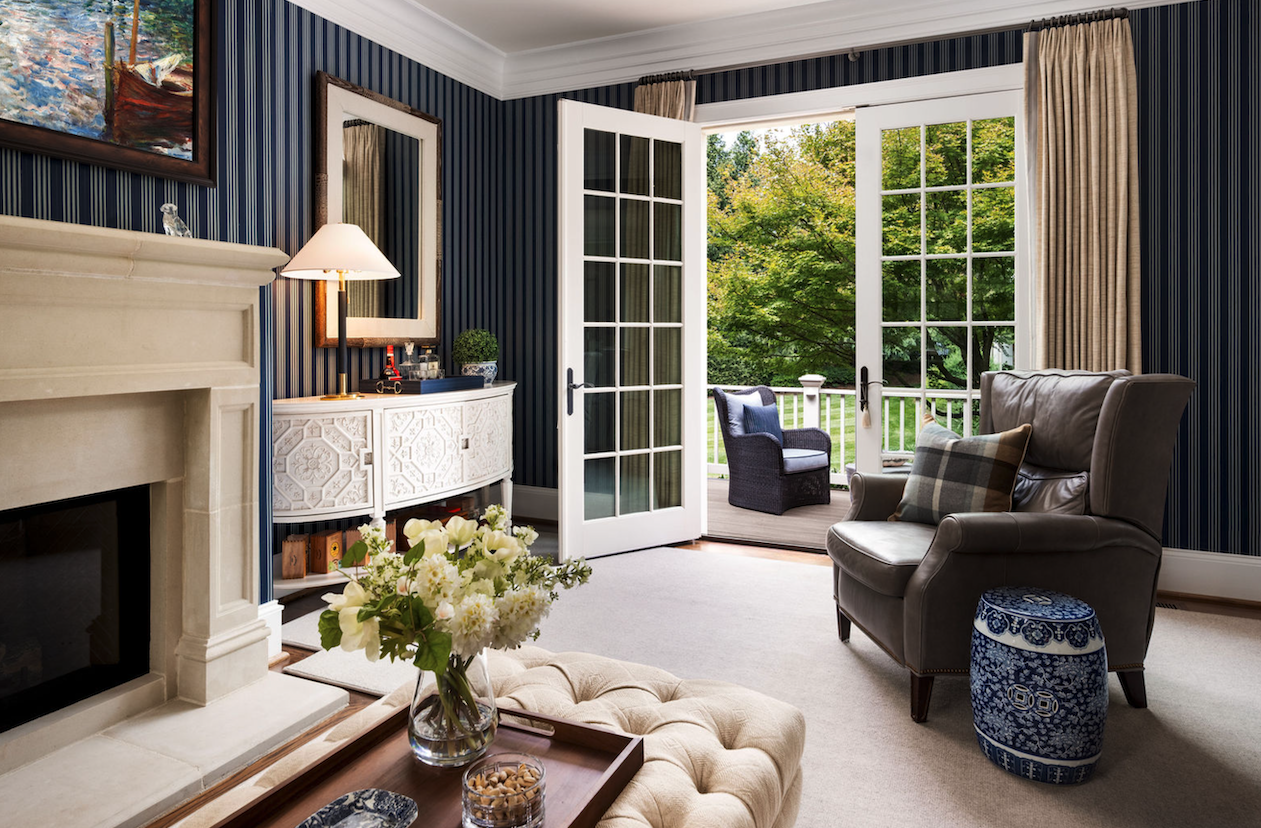
Welcome back to Dwelling Well, our design series exploring how thoughtful interiors foster mental, emotional, and physical health. In our second entry, we sit down with Eryn Oruncak, principal designer of Elan Design, to learn how she uses neuroaesthetics to build spaces where clients feel truly strong and supported.
1. Translating Well-Being into Design: Identity, Function, and Euphoria
Oruncak begins with deep active listening to understand how clients want to live. She aligns each project across three core pillars:
- Identity: Displaying meaningful art, travel keepsakes, or a cherished chair to create an instant sense of home.
- Function & Ease: Designing layouts that eliminate daily friction, making routine tasks feel effortless.
- Emotional Reward: Crafting spaces that evoke pride and joy. In her words: “I want you to walk through your house with a sense of euphoria and personal power.”
2. Neuroaesthetics in Practice: Science Meets Good Design
Neuroaesthetics studies how our nervous system responds to our surroundings. Oruncak layers these insights onto classic design rules like scale, balance, and proportion.
Classic Design Principles               Neuroaesthetic Insights
(Scale, Balance, Proportion, Function) + (Nervous System, Approach/Avoidance)
────────────────────────────────────────────────────────────────
         = Personalized Spaces Supporting Focus, Energy, and Rest
She adjusts five core areas to match how clients switch between focus, stimulation, and rest: light, color, biophilia, artwork, and custom details.
3. The Power of Textiles: The Kravet Connection
Textiles shape how we engage with a room both visually and physically. Access to Kravet’s vast selection lets Elan Design tailor textures and patterns to each client’s specific sensory needs.
Beyond the product catalog, Kravet provides seamless procurement support. This ensures the design process remains smooth and stress-free from concept to installation.
4. Designing for Everyday Joy: The Impact of Artwork
When asked for one element that consistently elevates daily mood, Oruncak points directly to artwork.
- Activates Self-Reflection: Engaging artwork triggers the brain’s Default Mode Network, which connects what you see to personal identity and memory.
- Sparks Pleasure: Selecting art you love stimulates the brain’s reward circuitry, delivering a reliable boost of everyday joy.
5. Foundational Advice: Pay Attention to Your Habits
To make your home more supportive today, notice your approach and avoidance behaviors. Observe which rooms you naturally gravitate toward and which ones you tend to skip.
Before making changes, ask yourself two key questions:
- What do I need to do in this space?
- How do I need to think and feel to get that done?
Building a supportive home starts with understanding how your environment currently affects your mood and mindset.